Nashville's clay soils, limestone bedrock, and heavy annual rainfall make crawl space moisture problems almost inevitable across Davidson County. The Crawlspace Kings is Nashville Metro's veteran-owned crawl space and waterproofing specialist — warranty-backed and built to get it right the first time.


Or call now: (615) 543-5817
Not sure what you need? Schedule a free inspection — we'll diagnose the problem and recommend the right solution.
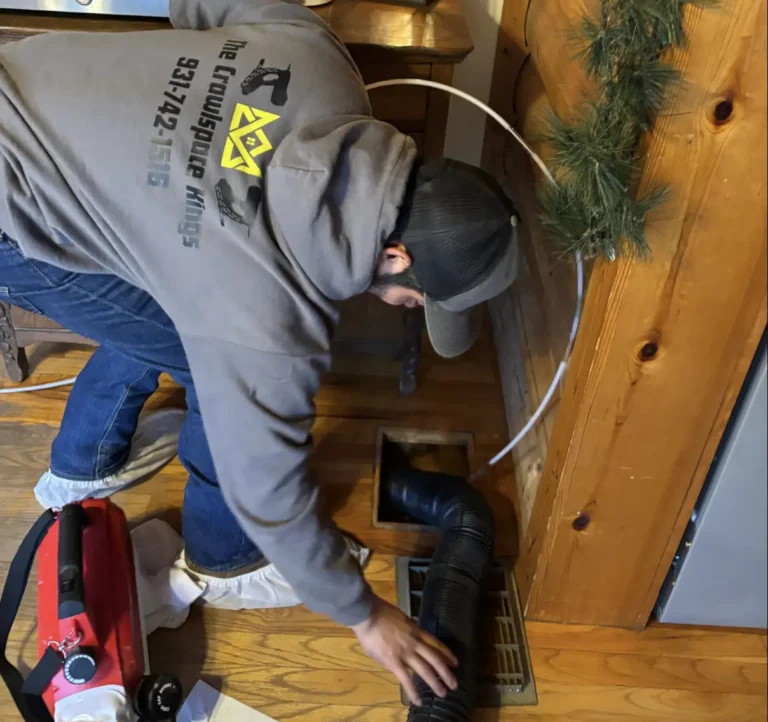
With any Gallatin crawl space service: comprehensive cleaning of return vents using Roto Brush & HEPA vacuum + full application of Bioesque mold-inhibiting spray throughout the duct system.
Exclusions may apply. Ask your inspector for details.
Flexible monthly plans with 0% interest available for qualified homeowners. Apply in minutes.
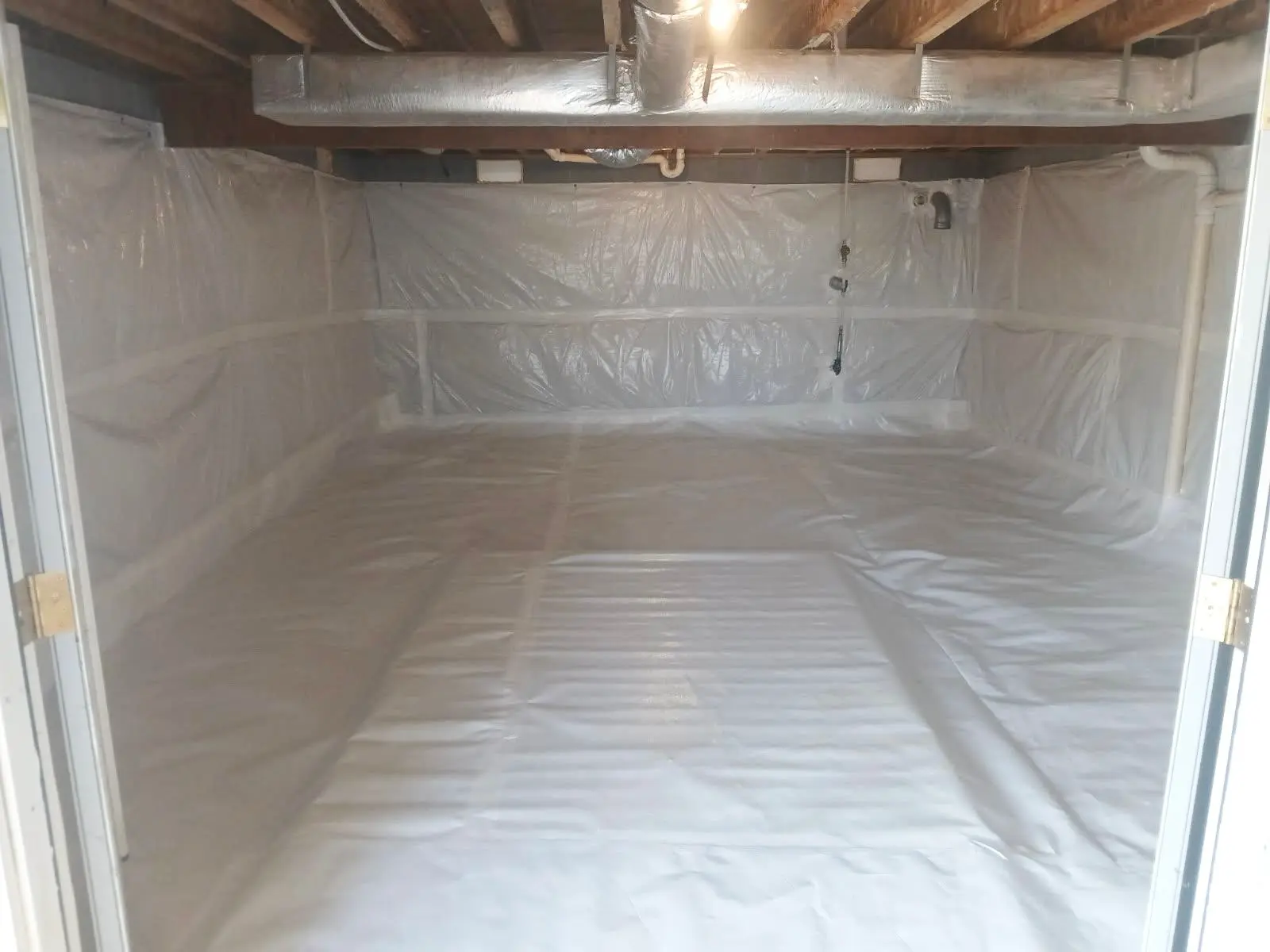
Your crawl space could look exactly like this. Schedule your free inspection today.
Davidson County's geology is one of the most challenging environments for crawl spaces in Middle Tennessee. Beneath most of Nashville lies bedrock that doesn’t absorb water — it redirects it.
Military-trained means we plan meticulously, execute on time, and never cut corners. A commitment to your home is a commitment we take seriously.
Every technician is trained on modern crawl space systems and solutions. We install the same commercial-grade materials used by the country’s leading contractors.
If your home feels stuffy and damp even with the AC running — especially in spring and early summer — your HVAC system is fighting your crawl space. Unsealed crawl spaces act as humidity pumps: warm, moist ground air rises into the living space all day long. The AC can't fully overcome it.
Homeowners often describe it as "dirt" or "old house" — that earthy, slightly sour odor that rises from below. It's the smell of wet soil, decaying organic material, and early-stage mold. It's almost never a plumbing problem. It's almost always the crawl space.
Efflorescence — white mineral deposits left behind when water evaporates through concrete — is one of Nashville's most common and most ignored basement warning signs. It means water is moving through your walls regularly. The powder itself is harmless; what's causing it isn't.
Push down on your floor. If it gives noticeably — or if a heavy piece of furniture has left an indent in a hardwood floor — that's moisture-compromised floor joists. In Nashville's older neighborhoods, we find floor joists that have been absorbing moisture since the 1970s or earlier.
Summers are hot and humid; winters get genuinely cold. An unsealed crawl space floor is a direct heat exchange between your conditioned living space and the outdoors — your HVAC system never gets a break. Homeowners who encapsulate their crawl space routinely report measurable utility bill reductions within the first year.
Rats and mice are increasingly pressured by development, wood-boring beetles thriving in moisture-softened framing, and cave crickets that breed in dark, damp crawl spaces — all treat open crawl space vents as front doors. If you've had pest issues inside the house and can't figure out where they're getting in, check the crawl space.
Left unchecked, these problems compound. Mold spreads to framing, framing weakens, pests cause more damage, and energy waste adds up year after year. A free inspection takes about an hour and tells you exactly where things stand.
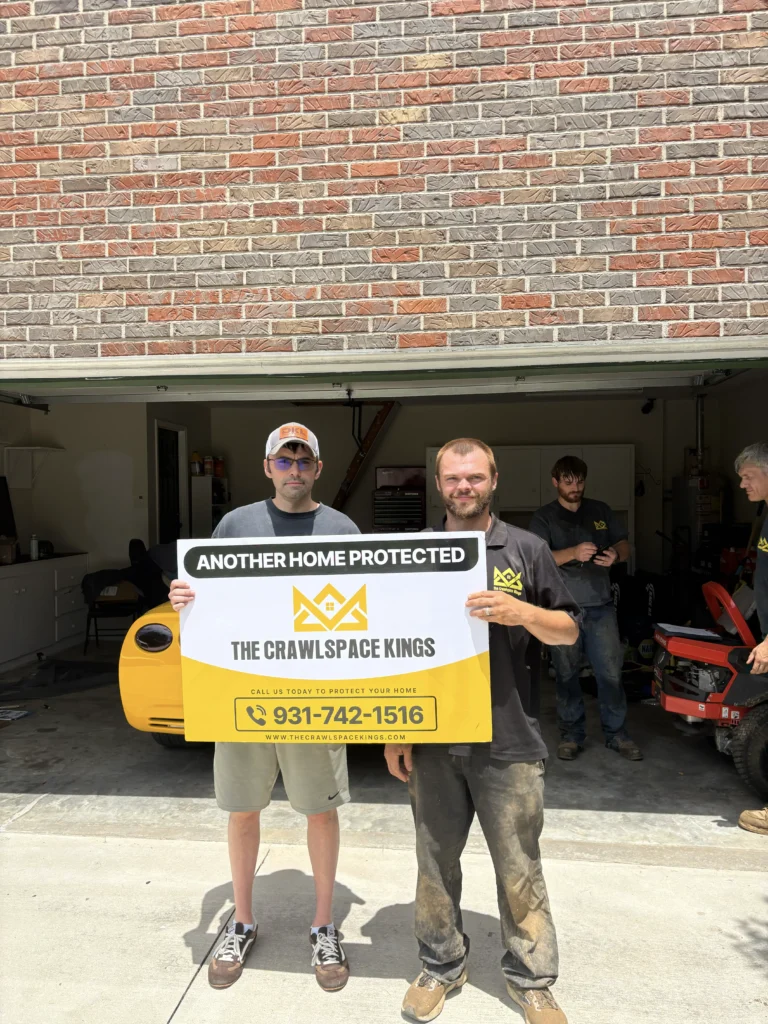
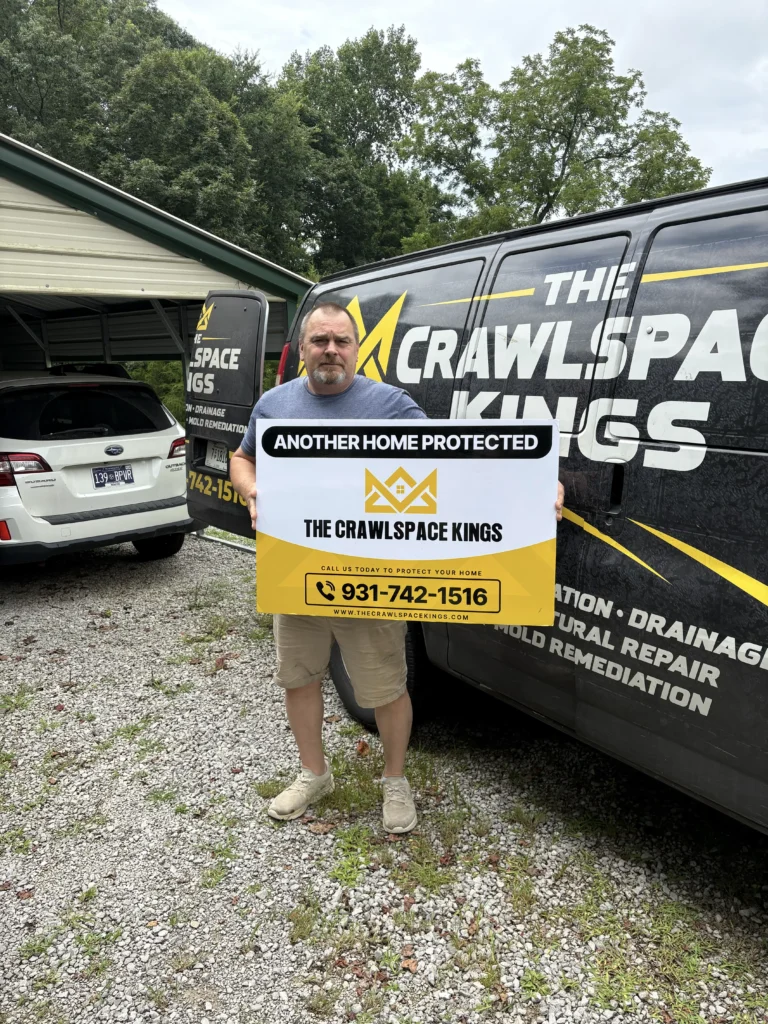
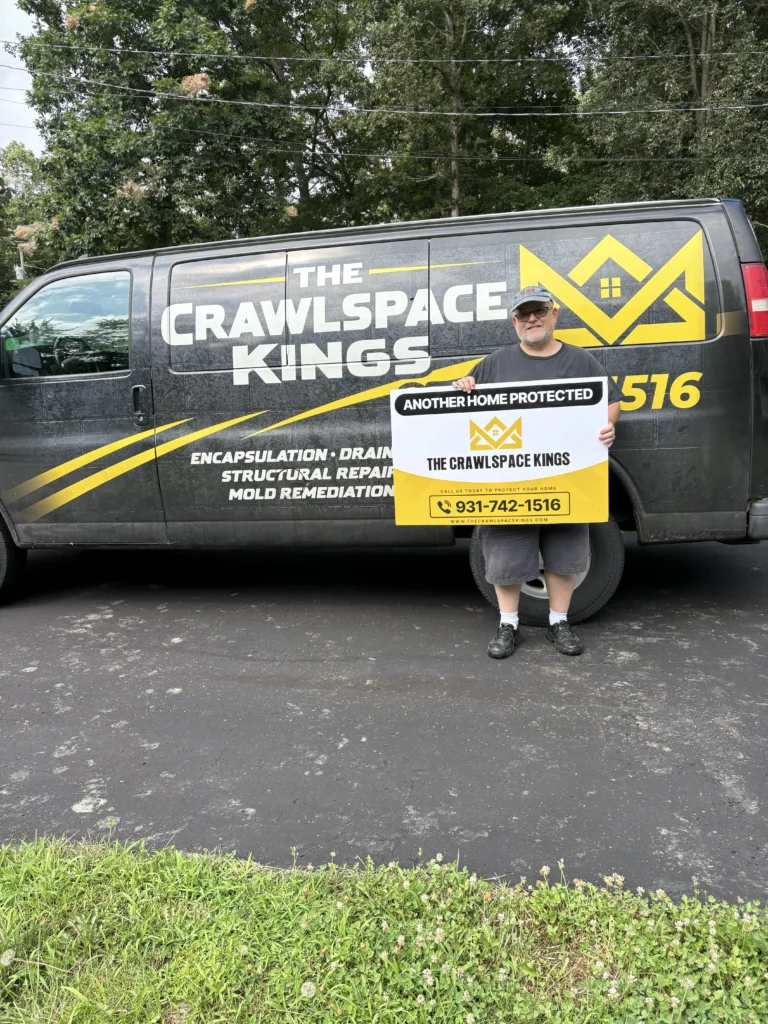
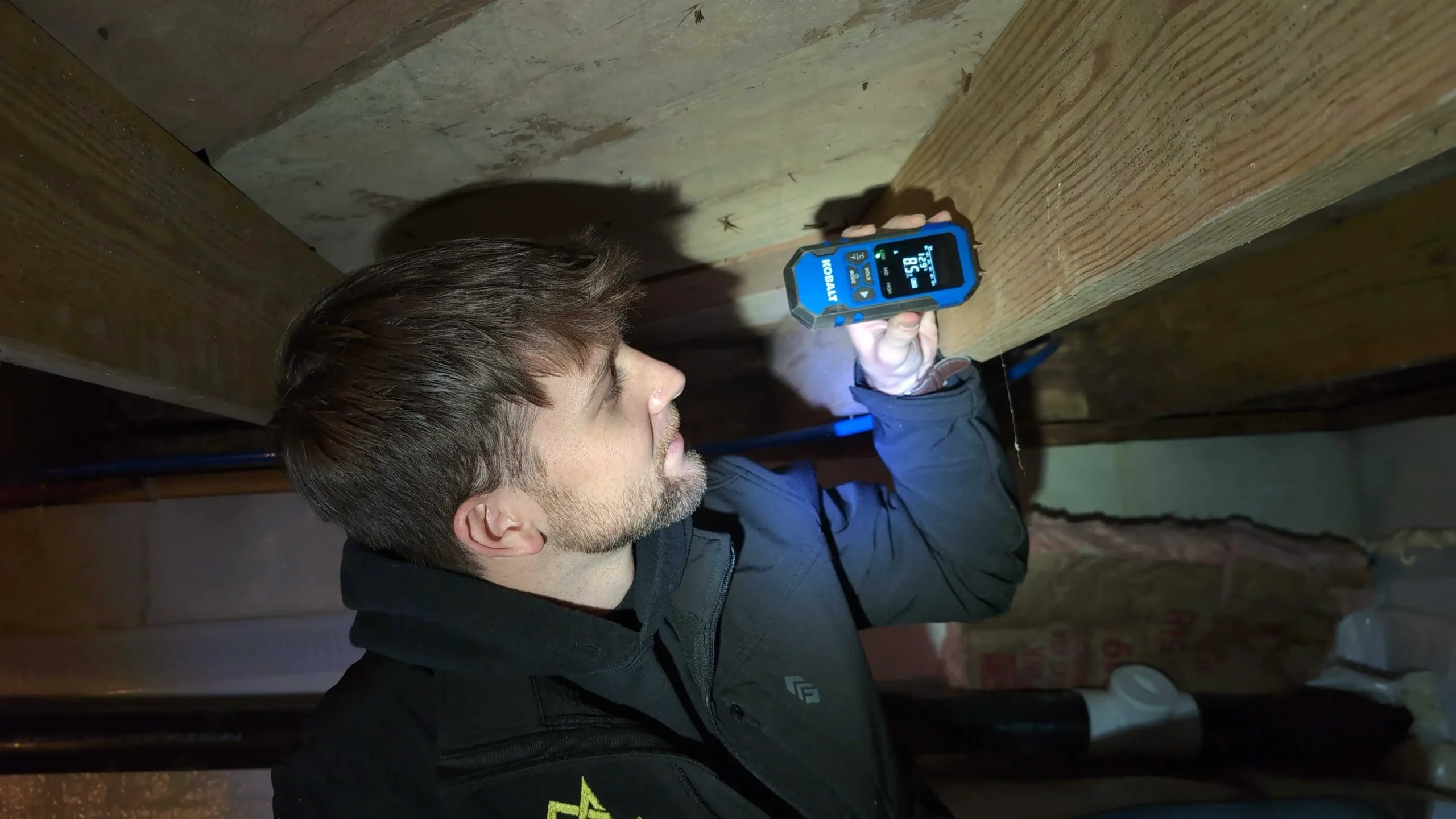
East Nashville sits directly on the Cumberland River floodplain. During the catastrophic May 2010 flood — a 500-year event that inundated more than 11,000 Nashville homes — the Riverside and Lockeland Springs neighborhoods were among the hardest hit. Sixteen years later, many of those homes have crawl spaces that were saturated, partially remediated, or never properly dried out. We find elevated moisture readings, active mold colonies, and deteriorated vapor barriers in East Nashville homes that show no visible signs of a problem from the street. The water table in this corridor stays elevated even in dry years.
Germantown is one of Nashville's oldest residential neighborhoods — beautiful craftsman bungalows and Victorian-era homes that were never built with modern moisture protection in mind. Crawl spaces in this area often have original bare-dirt floors with no vapor barrier at all, open foundation vents pulling in humid air year-round, and floor joists that have been slowly deteriorating for decades. The bones of these homes are strong, but the crawl spaces need complete encapsulation systems to bring them up to where they should be.
These older suburban neighborhoods east of the city sit closer to J. Percy Priest Lake and the Stones River watershed, where the water table runs seasonally high. Mid-century ranch homes in Donelson and Hermitage often have crawl spaces with undersized or collapsed vapor barriers, and the clay soil in this area holds water against foundations long after a rain event clears. We frequently find that homeowners here have had ongoing but slow water intrusion for years — gradual enough not to notice, severe enough to do real structural damage over time.
Antioch grew at a pace that made quality control difficult. Thousands of homes were constructed here between 1995 and 2010 in large planned developments where crawl space encapsulation was never part of the standard build package. We inspect homes in Antioch that are 15–20 years old with crawl spaces that look like they've never been touched — original plastic sheeting partially torn, open vents bringing in conditioned and outside air simultaneously, and mold already established on floor joists. Newer doesn't mean better maintained.
Bellevue and the broader west Nashville area sit on higher elevation than the river-adjacent neighborhoods, which might suggest fewer water problems — but the terrain works against some homeowners here. Nashville's rolling topography means that rainwater from the ridge lines flows directly into the foundation lines of homes on lower lots. Heavy spring storms create saturated soil conditions around foundations in Bellevue's lower-lying cul-de-sacs and hillside streets, and we regularly find hydrostatic pressure issues in homes that have never had standing water in the crawl space but are still dealing with persistent dampness.
If you’re not sure which category your home falls into, that’s exactly what a free inspection is for. Schedule yours today.
Yes — in many cases, urgently. The Nashville construction boom of the 1990s and 2000s produced tens of thousands of homes, particularly in Antioch, Hermitage, and southeast Davidson County, where crawl space encapsulation was routinely skipped to reduce build costs. A home built in 2003 with no vapor barrier or open foundation vents has had over 20 years to accumulate moisture damage. Newer homes aren’t immune — they just have a different origin story. A free inspection will tell you exactly what condition your crawl space is in regardless of when the house was built.
The 2010 Nashville flood affected more than 11,000 homes and was the worst flooding event in the city’s recorded history. Even homes that were remediated afterward may have ongoing issues: residual moisture in floor framing, dormant mold colonies that reactivate in humid conditions, vapor barriers that were compromised and never replaced. If your home is in East Nashville, Bellevue, the Opryland area, or anywhere near the Cumberland River corridor and you haven’t had a professional crawl space inspection since the flood, it’s worth doing — especially if you’re noticing musty odors, soft floors, or unexplained humidity issues.
It does, significantly. Much of Davidson County sits above a layer of karst limestone that doesn’t absorb water — it redirects it. When heavy rain saturates the clay soils above, water moves laterally until it finds a path of least resistance. For homes where the foundation is at or below the elevation where that water is traveling, the crawl space is often exactly where it ends up. Interior perimeter drain systems are particularly effective in these situations because they intercept the water before it can cause damage rather than relying on it to drain away from the foundation on its own.
Most Nashville residential crawl space encapsulation projects are completed in one to two days, depending on the square footage and condition of the space. Homes with more severe moisture damage, active mold that needs to be addressed first, or drainage work required before encapsulation can begin may take an additional day. We provide a detailed timeline in your written proposal before any work starts.
Yes — we provide free, no-obligation inspections throughout Nashville and the surrounding Davidson County area, including all neighborhoods from Germantown to Antioch to Bellevue. Our technician documents the inspection with photos, assesses moisture levels, identifies any mold or structural issues, and provides a written recommendation with transparent pricing. There’s no cost and no obligation.
In Nashville’s real estate market, a clean, dry, properly encapsulated crawl space has become a meaningful differentiator. Buyers and their inspectors flag crawl space issues regularly, and those findings — moisture damage, mold, soft floors — frequently show up as negotiating leverage against the seller. Encapsulating before listing eliminates that exposure, and many sellers find that the cost of encapsulation is returned multiple times over in a cleaner inspection report and a stronger negotiating position. Ask your inspector about what a typical Davidson County buyer’s home inspector looks for.
Nashville's weather isn't getting easier. Whether your home is 20 years old or 100, sitting near the Cumberland River or on a ridge in Bellevue, a crawl space inspection is the only way to know for certain what's happening beneath your home — and what it will cost you if you wait.
Or call now: (615) 543-5817